





1. What types of addiction do you treat?
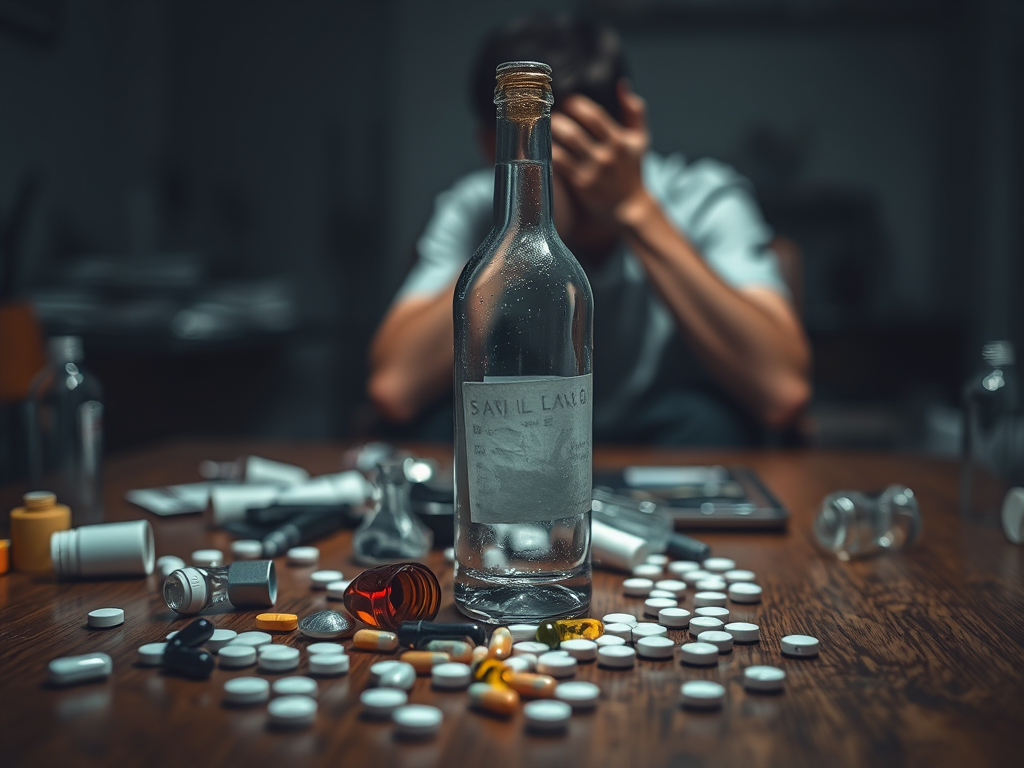
We specialize in opioid use disorder (OUD) and alcohol use disorder (AUD). Our treatment plans include medications, brief counseling, and personalized support to help you achieve recovery.
2. Do I need a referral to start treatment?
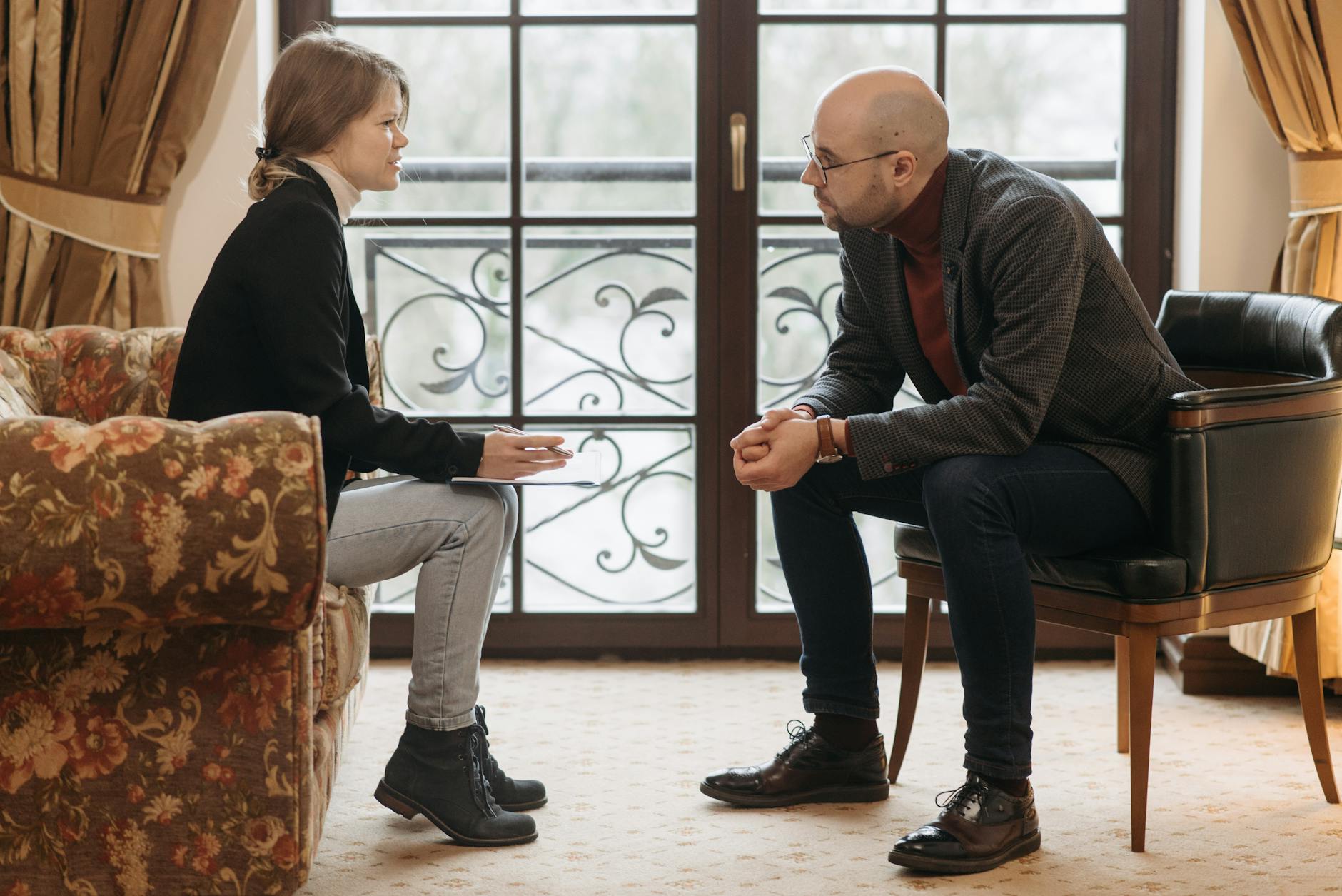
No, a referral is not required. You can contact us directly to begin your treatment journey.
3. Is your treatment program available online?
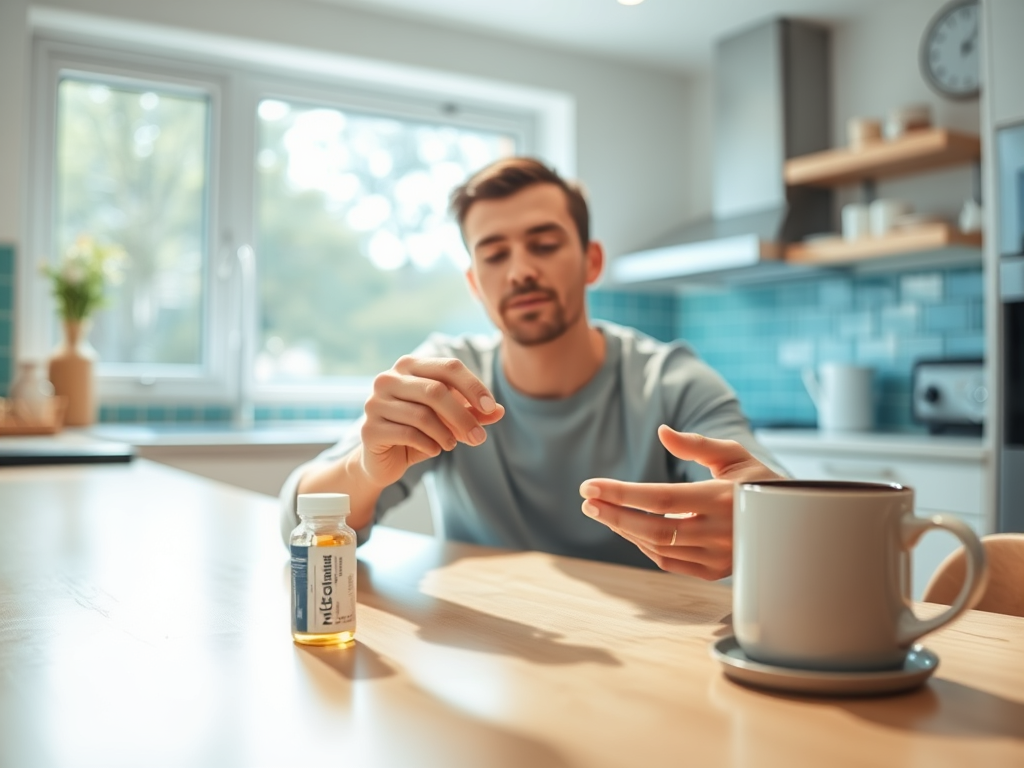
Yes, we offer virtual consultations with doctors and medication delivery to make treatment more accessible.
4. Is addiction treatment covered by insurance?
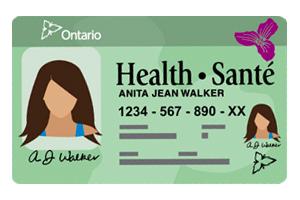
Our services are covered under the Ontario Health Insurance Plan (OHIP).
Opioid Use Disorder (OUD)
5. What medications do you use for opioid addiction treatment?
We offer buprenorphine/naloxone (Suboxone) and methadone, both of which help reduce cravings and withdrawal symptoms. We also administer buprenorphine sustained release injections (Sublocade*) on site.
6. How long will I need to be on medication?
The length of treatment varies. Some patients taper off over time, while others benefit from long-term maintenance. Our goal is to support your individual recovery path.
7. Can I still work while receiving treatment?
Yes. Most patients can continue working while receiving medication-assisted treatment (MAT). We can tailor a plan that fits your schedule.
8. What if I relapse?
Relapse is a common part of recovery. If it happens, we will adjust your treatment plan to help you get back on track.
Alcohol Use Disorder (AUD)
9. What medications are available for alcohol addiction?
We offer naltrexone, acamprosate, and disulfiram, which help reduce cravings and prevent relapse.
10. Do I have to stop drinking before starting treatment?
It depends on the medication. Some treatments require complete abstinence, while others can be started while you are still drinking. We will guide you through the best approach.
11. Can I receive treatment from home?
Yes, we offer virtual consultations and can prescribe medications remotely, allowing you to begin treatment with minimal clinic visits.
Recovery & Support
12. What happens after I complete treatment?
Recovery is a lifelong process. We offer long-term support and can help you transition to peer support groups, counseling, or continued medication management as needed.
14. How can I support a loved one struggling with addiction?
Encourage them to seek professional help. You can also participate in family support programs to learn how to provide effective support.
15. How do I get started?
You can book a consultation online or call us to discuss your options. We’ll guide you through the next steps toward recovery.
 Addiction Treatment | Ontario | Regen Medical Clinic